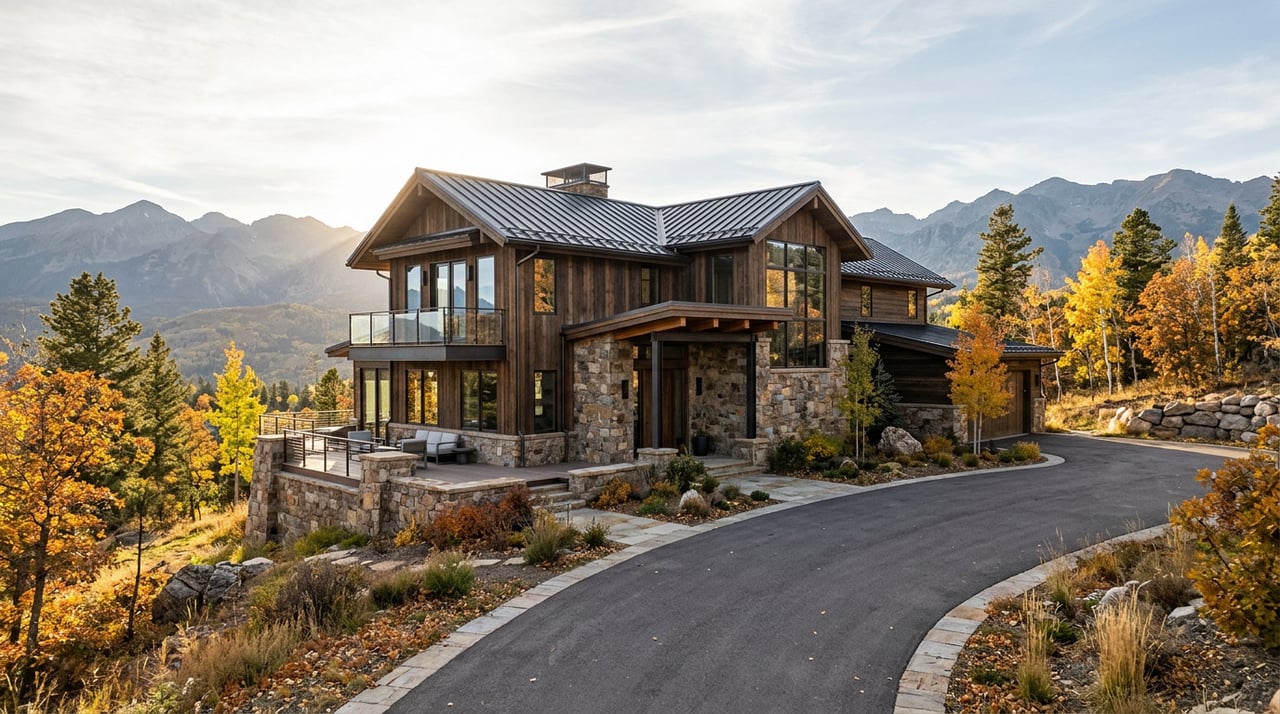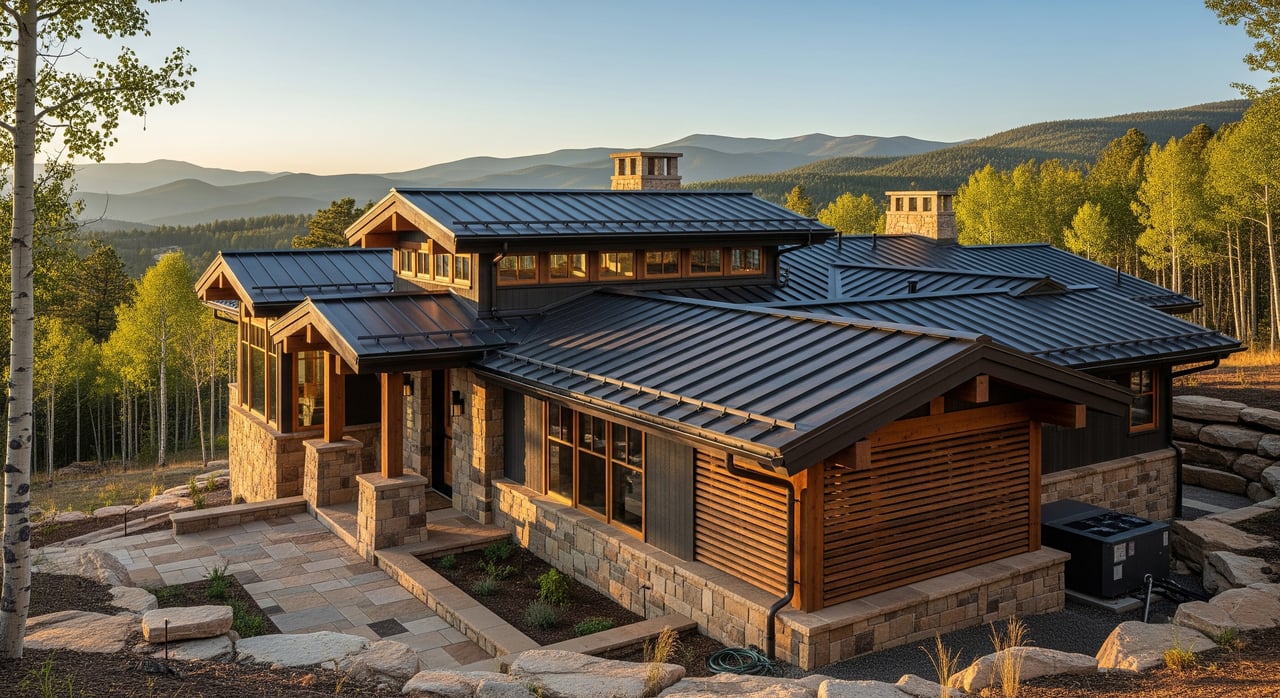
High-elevation living is beautiful, but your home works harder here. In Woodland Park, intense sun, wide temperature swings, and heavy snow can wear on roofs, decks, and heating systems faster than you might expect. If you want fewer surprises and stronger resale value, a smart maintenance plan is your best tool. In this guide, you’ll learn simple, seasonal steps that fit our mountain climate so you can protect your investment with confidence. Let’s dive in.
Why elevation changes home care
Living at elevation means more UV exposure, sharper freeze–thaw cycles, and snow that drifts into heavy loads. These conditions stress roofing, siding, decks, and sealants more quickly than in lower-altitude areas. Heating systems also run longer in cold months, which affects efficiency and fuel costs.
You can plan with local data. Check conditions and climate normals using the National Weather Service. For energy-smart upgrades and ice dam prevention basics, the U.S. Department of Energy’s Energy Saver is a reliable, homeowner-friendly resource.
Roof care and ice dam prevention
Your roof takes the brunt of sun, wind, and snow. A proactive plan keeps moisture out and reduces emergency repairs.
Ice dam basics
Ice dams form when warm air from your home melts snow on the upper roof. Meltwater refreezes at colder eaves and gutters, which can push water under shingles and into the house. Signs include icicles at the eaves and water stains near exterior walls.
Ice dam prevention checklist
- Improve attic insulation and air sealing to reduce heat loss that warms the roof deck. The DOE’s Energy Saver covers insulation levels and air sealing priorities.
- Verify balanced attic ventilation with clear soffit intake and ridge exhaust to maintain a uniform roof temperature.
- Clean gutters, valleys, and downspouts before winter so meltwater drains freely.
- Where ice dams are recurring, use a roof rake from the ground to remove snow along eaves. Follow the product’s guidance and keep safety first.
When to call a pro
Call a roofing or building envelope professional if you see shingle damage, leaks, or sagging, or after a major storm. Persistent ice dams often require insulation and ventilation upgrades. Electric heat cables can be a situational add-on, but a contractor should evaluate root causes first.
Snow loads and structural peace of mind
Snow does not fall evenly. Wind can drift it into deep, heavy piles on low-slope sections, valleys, and along eaves.
Know your roof and local requirements
Roof pitch and framing affect how much load your roof can handle. Teller County and Woodland Park reference design snow loads in local codes. Before major roofing or structural work, consult the county building department and confirm permit needs.
Safe snow removal options
For many homeowners, a roof rake used from the ground is the safest option to reduce eave build-up. Avoid walking on a snowy or icy roof. When accumulation is heavy or drifted, schedule professional roof and deck snow removal. Specialized crews have equipment and training to work safely.
Decks and attached structures
Treat decks like small roofs. Clear heavy, drifted snow and ice, especially near rail posts and ledger connections. If you notice movement, unusual cracking, or sagging, contact a licensed contractor or structural engineer.
Heating efficiency and winter readiness
Cold nights and long winters make efficiency a priority. Routine maintenance lowers fuel use and helps prevent emergencies.
Annual service and safety
Schedule a heating tune-up in fall. For gas or propane systems, that includes combustion safety checks, flue inspections, and a look at the heat exchanger. Replace filters on schedule and test your thermostat and carbon monoxide detectors.
Tighten the building envelope
Air sealing and insulation deliver comfort and savings. Focus on the attic, rim joists, and penetrations around lights, bath fans, and utility lines. The Energy Saver site offers practical guidance on sealing gaps, recommended R-values, and cold-climate heat pump options.
Backup planning
If you rely on propane, confirm delivery schedules ahead of storms. Maintain generators according to manufacturer instructions and use safe backup heating protocols. When in doubt, ask your fuel or utility provider for reliability tips specific to your service area.
Exterior finishes, siding, and decks
Sun and freeze–thaw cycles can shorten the life of paints and stains.
Choose finishes for high UV
Use high-quality, UV-resistant exterior coatings designed for mountain sun. Inspect siding and decks each spring for checking, peeling, rot, or fastener corrosion. Plan to reseal or restain every 2 to 5 years based on product guidance and exposure.
Keep water moving away
Make sure soil and mulch sit below siding lines. Maintain flashing at windows and doors. For masonry and concrete, watch for spalling or surface flaking, which can signal freeze–thaw stress. Good drainage and timely sealing help prevent damage.
Trees, landscaping, and wildfire resilience
Mountain beauty comes with natural risks. Smart landscaping can lower fire exposure and storm damage.
Create and maintain defensible space
Follow the Colorado State Forest Service’s wildfire mitigation guidance to reduce fuels around your home. Remove ladder fuels, thin over-dense areas, and maintain crown separation where appropriate. Keep gutters clear of needles and leaves.
Prepare for winter storms
Schedule pruning before heavy snow. Keep branches a safe distance from the roof and overhead lines. Use native or fire-wise plantings, and maintain irrigation systems so plants are healthier and less vulnerable to fire.
Water intrusion and drainage
Snowmelt can overwhelm poor drainage and lead to damp basements or foundation movement.
Direct water away from the house
Extend downspouts well beyond the foundation and ensure the ground slopes away from the home. Check that sump pumps and drains are working if you have them. After big melts, walk the perimeter to spot pooling and adjust grades as needed.
Inspect after winter
In spring, look for new cracks, efflorescence, or damp spots on foundation walls. Early fixes are often simpler and less expensive. If you see movement or persistent moisture, consult a qualified contractor.
Woodland Park seasonal checklists
Use these quick checklists to stay ahead of the weather and protect your home’s value.
Fall checklist
- Schedule a professional roof inspection and clean gutters, valleys, and downspouts.
- Service your furnace or heat pump; change filters and test carbon monoxide detectors.
- Seal attic penetrations and add insulation if needed.
- Prune trees and clear combustible debris from 5 to 30 feet around the home following state guidance.
- Winterize exterior faucets and irrigation; store hoses.
- Stock winter supplies like a roof rake, compatible ice melt, and generator essentials if applicable.
- Confirm permits for larger exterior projects before the ground freezes.
Winter checklist
- Monitor snowfall and book professional roof or deck snow removal if accumulation is heavy or drifted.
- Use a roof rake from the ground to clear eaves when safe and practical.
- Keep an eye out for ice dam signs such as icicles at eaves or interior stains.
- Maintain fuel supplies for propane or wood and follow your provider’s safety protocols.
- Know your main water shut-off and keep a plumber’s number handy for frozen pipe concerns.
Spring checklist
- Inspect roof, gutters, siding, and foundation for winter damage.
- Clean gutters and downspouts thoroughly after the last major thaw.
- Check the attic for condensation, mold, or wildlife intrusion.
- Service cooling components on heat pumps and clear debris from outdoor units.
- Plan deck and exterior finish maintenance for dry weather windows.
- Evaluate yard drainage and adjust grading if necessary.
Summer checklist
- Tackle major exterior projects such as roof replacement, deck rebuilds, and painting during drier months.
- Prune vegetation away from structures and maintain defensible space before peak fire season.
- Reseal penetrations around windows, doors, decks, and roof flashings.
- Review emergency plans and supplies ahead of fall storms.
Permits, pros, and homeowner protections
A little paperwork and vetting go a long way toward smooth projects and clean resale disclosures.
When you likely need permits
Roof replacements, structural changes, deck construction, and major HVAC replacements typically require permits. Check with the Teller County Building Department or the City of Woodland Park before starting work. Projects done without permits can complicate future insurance claims or sales.
How to vet local contractors
- Verify licensing and check for complaints using Colorado’s DORA license lookup.
- Review reputation and complaint history through Better Business Bureau profiles.
- Request proof of insurance, three recent local references, and photos of comparable projects.
- Get a written contract that details scope, materials, schedule, payment terms, and warranty.
- Confirm who pulls permits and schedules inspections. Use a lien waiver and link final payment to successful completion.
Keep records and notify your insurer
Save permits, invoices, and before-and-after photos. Notify your insurer before major projects such as roof replacements or additions and confirm contractor insurance limits. Good records support both claims and resale value.
Protecting value in a mountain market
A well-cared-for Woodland Park home shows better, sells faster, and tends to appraise with fewer questions. Seasonal maintenance is not just about preventing problems. It also tells a future buyer your home has been managed with care.
If you want a tailored plan for your property or you are planning to buy or sell in Woodland Park, reach out to Jennifer Koslowsky Real Estate. You will get clear guidance, trusted local referrals, and a plan that fits your goals.
FAQs
How do ice dams start on Woodland Park homes?
- Heat escaping into the attic melts roof snow, which refreezes at colder eaves and gutters. Reduce attic heat loss with insulation and air sealing, improve ventilation, keep gutters clean, and consult a contractor for lasting fixes.
Is it safe to remove roof snow myself?
- Ground-based roof raking can be appropriate when used per product guidance. Avoid walking on the roof in winter and hire trained crews for heavy or drifted snow.
How often should I restain decks at elevation?
- High UV and freeze–thaw cycles shorten finish life. Inspect every spring and plan to reseal or restain every 2 to 5 years depending on exposure and product.
What should I do for wildfire mitigation near my house?
- Follow Colorado State Forest Service defensible space guidance, remove ladder fuels, space vegetation appropriately, and keep a noncombustible zone close to the structure.
What heating maintenance matters most each fall?
- Schedule a professional tune-up, replace filters, test carbon monoxide detectors, and check flues and chimneys where applicable. Address air sealing and attic insulation for better efficiency.
How can I prevent basement moisture during spring melt?
- Extend downspouts, slope soil away from the foundation, clean gutters before thaw, and verify sump or drain systems are working. Inspect foundation walls after winter and fix issues early.