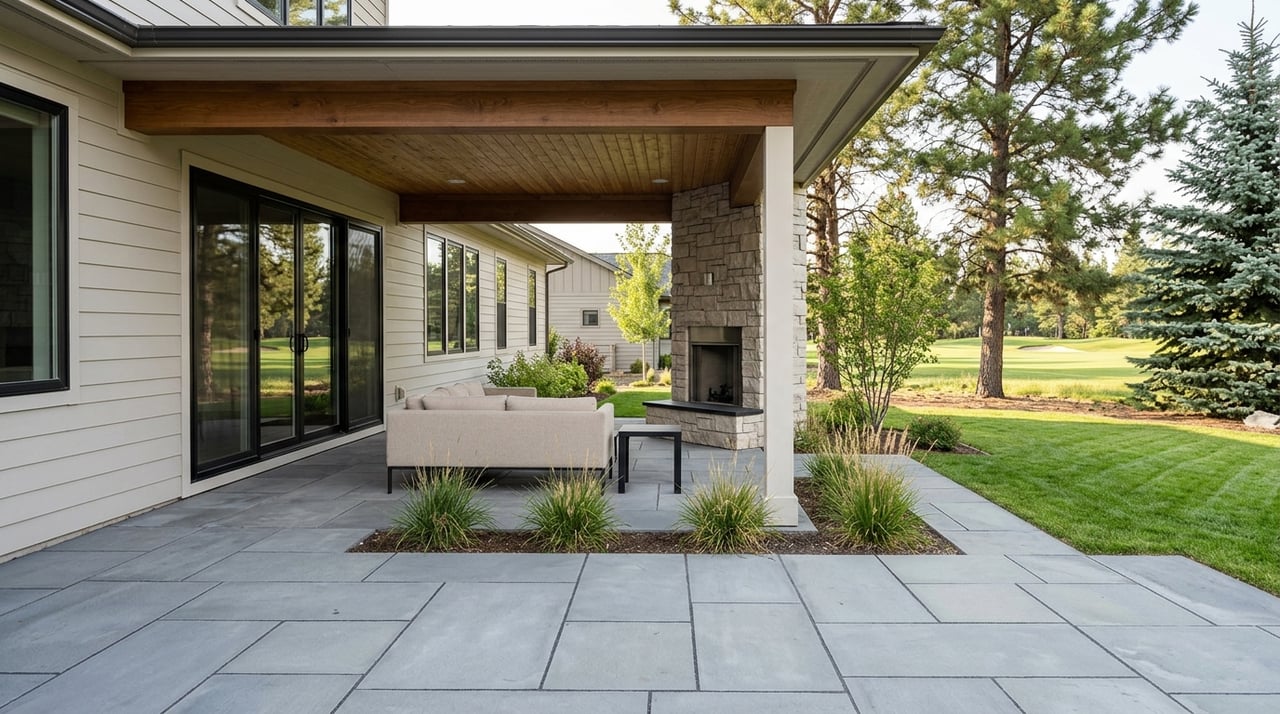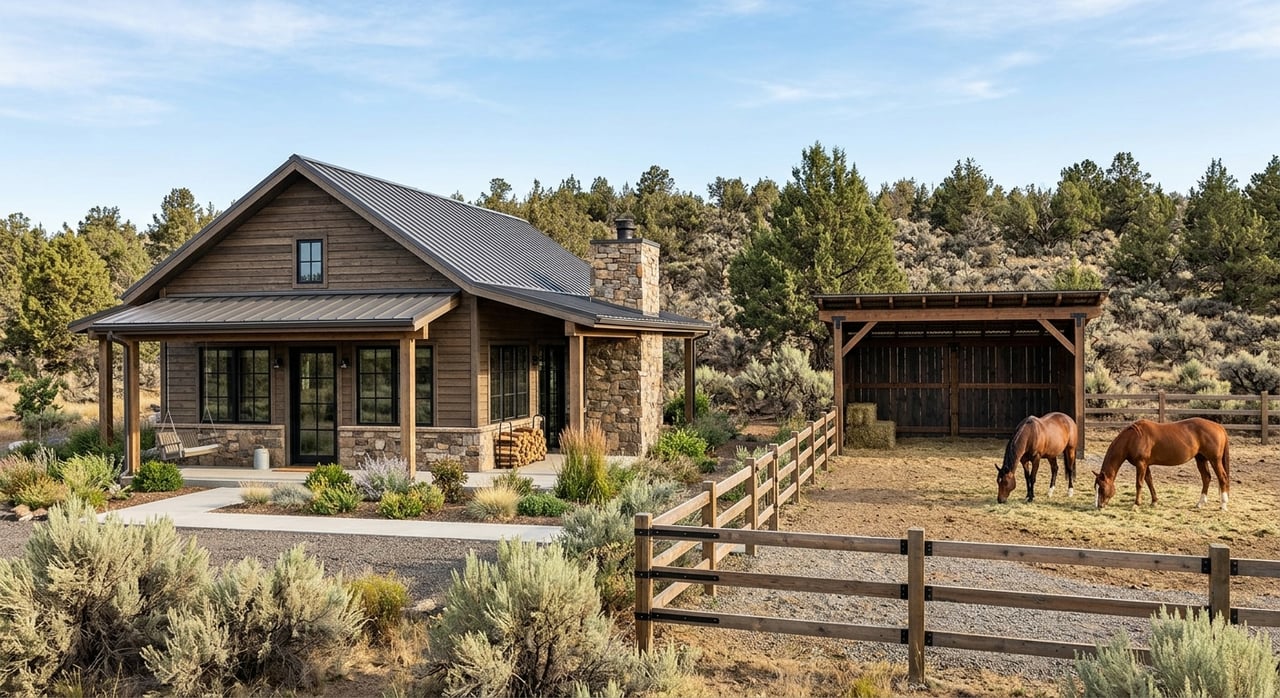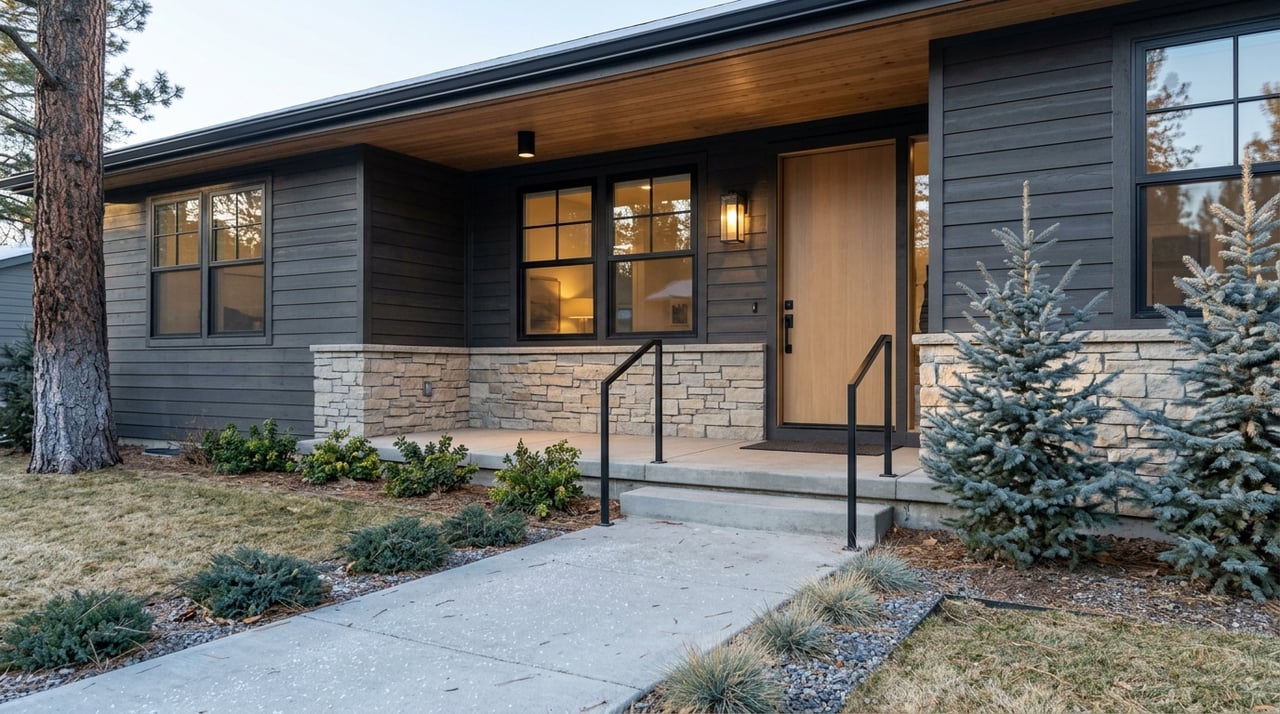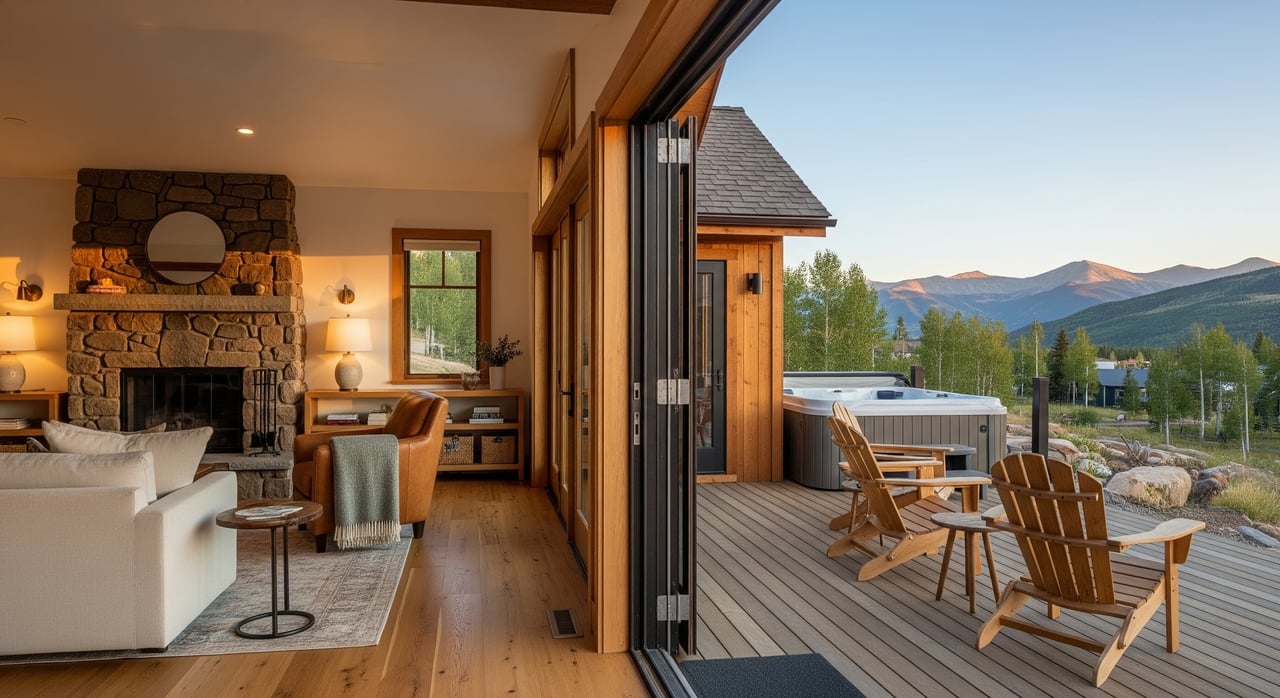
Thinking about turning a Cripple Creek property into a short-term rental? You’re not alone. With casinos, historic attractions, and easy access to outdoor adventure, the town draws steady weekend visitors and strong summer traffic. In this guide, you’ll learn how demand trends, costs, seasonality, and local rules fit together so you can decide if an STR here is truly worth it. Let’s dive in.
Why consider an STR in Cripple Creek
Cripple Creek’s tourism economy is a clear demand engine. Legalized gaming, historic sites, and small-town charm make it a popular base for couples, families, and outdoor enthusiasts. Proximity to the Pikes Peak region and the Front Range also brings weekenders looking for short getaways.
If your property is well located near downtown attractions or offers views, parking, and character, you may capture premium rates on event and holiday weekends. The flip side is that income can swing with the seasons and requires hands-on management or professional support.
How demand works here
Visitor traffic tends to come from several sources:
- Casino weekenders and couples booking 1 to 3 nights
- Families exploring museums, mining tours, and historic settings
- Outdoor groups using town as a base for trails, OHV routes, hunting, and Pikes Peak area recreation
- Remote workers who value a quiet mountain stay, when broadband supports it
Events and holiday programming can spike bookings and average daily rates. That means a focused pricing strategy around the calendar can boost returns.
Seasonality and booking patterns
Expect strong demand from late spring through early fall, plus major holiday windows. Weekends typically outperform midweek. Late fall and parts of winter can be slower, although casino visitors and winter recreation help soften the dip.
Many small mountain markets see shorter booking windows, often inside 30 days, with earlier bookings around big events. Plan for higher heating and access maintenance in winter months, and keep reserves to bridge low-occupancy periods.
Revenue and expenses to model
Short-term rental performance is highly property specific. Use local comps and build a conservative pro forma before you buy or convert.
Conservative revenue assumptions
- Start with comps: Pull occupancy, ADR, and RevPAR from STR analytics tools and scan comparable Airbnb and Vrbo listings.
- Model weekends and events: Expect materially higher rates and occupancy around festivals and holidays.
- Occupancy range: A conservative annual assumption often lands between 30 and 60 percent, depending on location, amenities, and marketing execution.
Typical operating costs
- Management: Full-service local managers often charge about 18 to 35 percent of revenue
- Cleaning and turnovers: Budget per-stay cleanings, supplies, and seasonal deep cleans
- Utilities: Electricity, heating, water, trash; high elevation winters can increase heating and freeze-related costs
- Repairs and maintenance: Reserve about 5 to 10 percent of gross revenue, especially for older or historic homes
- Insurance: STR or vacation rental policies may carry higher premiums than long-term rentals
- Taxes and filings: Local lodging or occupancy taxes, county or municipal sales taxes, and state sales tax; also plan for income tax reporting
- Seasonal services: Snow removal, pest control, landscaping, and potential HOA fees
Tip: Run sensitivity cases. See what happens to cash flow if occupancy or ADR is 10 to 20 percent lower than your base case.
Permits, taxes, and compliance basics
Rules can change, so verify current requirements directly with the City of Cripple Creek, Teller County, and the Colorado Department of Revenue. Common items to confirm include:
- Business license or STR registration, if required
- Lodging and sales tax collection and remittance procedures
- Safety standards such as smoke and carbon monoxide alarms, egress, and occupancy limits
- HOA covenants or condo rules that may limit STR use
Some booking platforms collect and remit certain taxes in specific jurisdictions, but owners are often still responsible for registrations and remaining filings. Confirm exactly which taxes the platform handles and which fall to you.
Management options
You can choose the model that fits your time, skills, and margin goals:
- Self-manage: You handle pricing, guest communication, check-ins, cleaning coordination, and maintenance. Lower direct fees but higher time investment.
- Full-service local manager: Marketing, pricing, housekeeping, and 24/7 guest support handled for a percentage of revenue. Good for hands-off owners or second homes.
- Hybrid approach: Mix and match. For example, manage guest communication yourself but hire local cleaning and maintenance teams, or use a manager for pricing and emergencies only.
For marketing, diversify across major platforms and use dynamic pricing tools to capture event and weekend premiums. Highlight walkability to casinos, parking, winter access, strong Wi-Fi, and any historic character or views.
Operational tips for mountain properties
- Winterization: Protect plumbing and heating systems and set up remote monitoring if possible
- Access and parking: Communicate winter road conditions and parking clearly in your listing
- Backup plans: Consider reliable heating strategies and service vendor backups to avoid damage or canceled stays
Key risks to weigh
- Market exposure: The local STR market depends on casino and tourism demand, which can shift
- Regulation: New rules, fees, or licensing could change economics
- Seasonality: Cash flow can dip in late fall and winter; keep reserves for mortgage, taxes, and maintenance
- Property condition: Older and historic homes may require more repairs and specialized insurance
- Platform policies: Changes to fees, algorithms, or calendars can impact bookings
- Competitive supply: More STRs or expanded hotel/casino rooms could pressure rates and occupancy
Pros and cons at a glance
Pros
- Potentially higher per-night income than long-term rentals during strong periods
- Flexibility to use the property during off-peak times
- Event and holiday weekends can lift ADR and occupancy
- Short booking windows allow you to adjust pricing quickly
Cons
- Income volatility with clear seasonal swings
- Higher ongoing costs for cleaning, utilities, maintenance, insurance, and taxes
- Possible registration, inspections, or HOA restrictions
- Upfront furnishing and amenity investments to compete
- Winter operating risks around heating, access, and snow removal
Is a Cripple Creek STR worth it?
It can be, if you buy or convert the right property, price realistically, and plan for seasonality. The best candidates tend to be close to downtown attractions or offer standout conveniences like easy parking, reliable heating, and memorable character.
Build your numbers with local comps and conservative assumptions, account for winter costs, and pressure-test your cash flow. If the property still pencils after management fees, taxes, and reserves, you may have a solid STR opportunity.
What to do next
- Verify zoning and any HOA rules for STR use
- Confirm current city, county, and state licensing and tax requirements
- Pull 6 to 12 local comps to benchmark ADR, occupancy, and minimum stays
- Price in management, cleaning, winter utilities, and a maintenance reserve
- Ask a local property manager and lender for quotes and underwriting guidance
- Create three cases for your pro forma: pessimistic, base, and optimistic
When you want help translating the numbers to a real property and a local plan, we’re here.
Ready to explore your options in Cripple Creek? Schedule a complimentary, no-pressure STR review with Jennifer Koslowsky Real Estate. We’ll pull local comps, outline likely expenses, and walk you through permitting and management paths tailored to your goals.
FAQs
What makes Cripple Creek attractive for short-term rentals?
- The town’s casinos, historic attractions, and proximity to outdoor recreation create steady weekend and summer demand, with event and holiday spikes that can lift rates.
How seasonal is STR demand in Cripple Creek?
- High season typically runs late spring through early fall, with weekends outperforming midweek; late fall and parts of winter are slower, so plan cash reserves for those months.
Do I need a business license or to collect lodging taxes?
- Many owners must complete local business licensing or STR registration and handle lodging and sales taxes; verify current rules with the City of Cripple Creek, Teller County, and the Colorado Department of Revenue.
What management fees should I expect for a full-service STR manager?
- In mountain and tourist markets, full-service management often costs about 18 to 35 percent of rental revenue, depending on services and scope.
How do I estimate revenue for a specific Cripple Creek property?
- Use comparable listings and STR analytics to model occupancy and ADR, emphasize weekend and event pricing, and run conservative scenarios with 30 to 60 percent annual occupancy.
What extra costs should I plan for at elevation in winter?
- Higher heating bills, snow removal, and freeze-related maintenance are common; include a 5 to 10 percent maintenance reserve plus utilities and seasonal services in your pro forma.