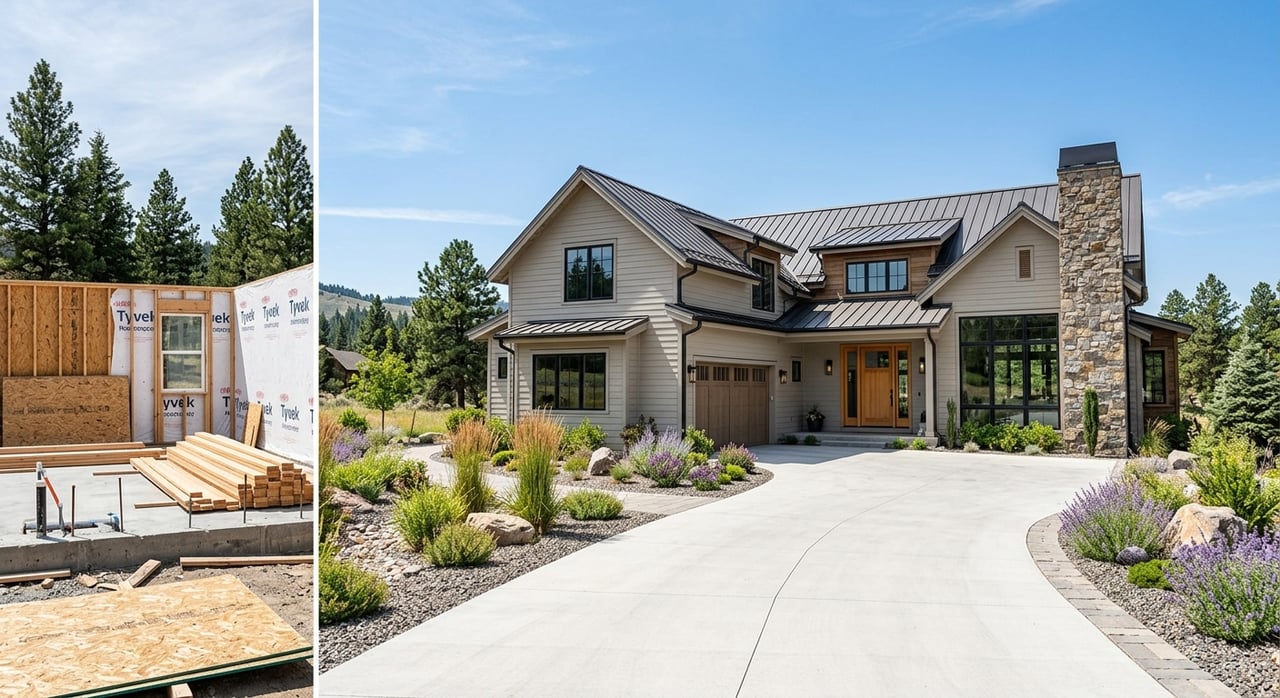
Trying to decide whether to build or buy in Pueblo West? It is a smart question, because this is not a one-size-fits-all market. In Pueblo West, your best path depends on how much customization you want, how quickly you need to move, and how comfortable you are with lot research, utility costs, and local approvals. If you are weighing both options, this guide will help you compare the tradeoffs with more clarity. Let’s dive in.
Why Pueblo West Makes This Different
Pueblo West has a unique setup compared with many nearby housing markets. It is an unincorporated planned community about 7 miles west of Pueblo and 40 miles south of Colorado Springs, with land use shaped by district covenants and Pueblo County zoning. According to Pueblo West Metro District Community Development information, new detached single-family construction remains concentrated in Pueblo West.
At the same time, not every area offers the same level of flexibility for new construction. The district states that about 60% of homes are in tracts that are more than 90% built out, which can affect what is allowed for new structures and additions in certain areas. You can review that context on the district’s No Standing Tracts page.
That means your decision is not just about personal preference. In Pueblo West, it is also about lot availability, tract status, utility access, and timing.
Building a Home in Pueblo West
Building can be a great fit if you want more control over the layout, finishes, and lot size. It may also appeal to you if you are willing to take a longer path in exchange for a home that feels more tailored to your needs.
Still, the process here comes with local factors you will want to understand early.
Lot Rules Matter First
Before you think about floor plans or finishes, you need to confirm what can actually be built on a specific parcel. Pueblo West identifies several zoning categories, including R-1 residential and acreage-based districts such as A-4, A-3, A-2, and A-1. Setbacks, building height, fencing, and accessory structure rules can all affect your plans, according to the district’s Land Use page.
Some lots are also owned by the Metro District. On the district’s real estate page, Pueblo West notes that buyers or developers may negotiate directly with the district for those properties. The same source also explains that if no road exists adjacent to the property, that road must be built to current standards at the developer or property owner’s cost.
Build Timelines Are More Schedule-Sensitive
In Pueblo West, the timeline for a new build is closely tied to water tap rules. The district says it permits the sale of 200 new water taps per year from 2026 through 2029. Under the district’s Water Tap Policy, once Committee of Architecture approval is granted, the builder must get a building permit within 60 days and pour the foundation within 120 days of the permit date to obtain a water tap.
There is another deadline to keep in mind. The same policy says the actual construction period for a new primary structure cannot exceed 365 days from approval. In practical terms, building in Pueblo West is not just about construction time. It also involves covenant review, permit timing, tap availability, and utility coordination.
Utility and Site Costs Can Add Up
One of the biggest surprises for buyers considering new construction is how much infrastructure can cost before the home is complete. According to Pueblo West’s 2026 fee schedule in the Water Tap Policy, a standard 3/4-inch meter has a water connection total of $27,232.97 and a wastewater connection total of $8,096.39. Larger meter sizes cost more.
The district also notes that the applicant is responsible for excavation and installing service lines under utility inspection, while the district completes the taps and sets the meters. Depending on the lot, your budget may need to cover more than land and home construction.
Septic and Access May Affect the Budget
Not every lot has the same utility setup. If a property is outside a sanitary sewer district, Pueblo County requires an OWTS, or septic, permit for the structure along with site and soil evaluation. You can see those requirements in the county’s OWTS permit instructions.
Access can also be part of the equation. Some projects require county access-related approvals, and required work must be completed within the county’s timeline after routing sign-off. This is why building in Pueblo West often works best when you go in with a clear, realistic budget for land, utility connections, possible road work, and possible septic planning.
Buying an Existing Home in Pueblo West
If your top goals are speed, simplicity, and fewer unknowns, buying an existing home is often the more straightforward option. You can evaluate the home, lot, location, and utility setup before you close, which gives you a clearer picture of what you are getting.
You also skip the full sequence of local approvals tied to new construction.
The Process Is Usually Faster
For a resale purchase, the path is more familiar. The Consumer Financial Protection Bureau homebuying guide recommends financing and inspection contingencies in your offer so you are not required to close if the loan falls through or a serious issue is found during inspection.
After the offer is accepted, the purchase typically moves through underwriting, inspections, title work, insurance decisions, and closing. CFPB also states that your Closing Disclosure must be delivered at least three business days before closing. Compared with building, buying an existing home usually means fewer moving parts and a quicker route to occupancy.
Resale Gives You More Certainty
With an existing home, you know the floor plan, lot layout, and condition before you make a final decision. You can inspect the property, review disclosures, and negotiate based on what is already there. That level of certainty is often reassuring if you are relocating, working on a tighter timeline, or simply want fewer variables.
The tradeoff is less customization. You may need to compromise on finishes, layout, or age of the home instead of choosing every detail from the beginning.
The Current Market Still Leaves Room to Evaluate
Pueblo West is not a market where every home disappears overnight. A February 2026 Redfin market snapshot for Pueblo West reports a median sale price of $395,000, average market time of 109 days, and describes the market as somewhat competitive.
That does not guarantee an easy negotiation on every property, but it does suggest that many buyers have time to compare options, complete inspections, and make a more measured decision than they might in a much faster-moving market.
Building vs. Buying: Key Tradeoffs
If you are trying to choose between the two, it helps to compare them side by side.
| Factor | Building in Pueblo West | Buying in Pueblo West |
|---|---|---|
| Customization | High, with more control over layout and finishes | Limited to the home as built |
| Timeline | Longer and more schedule-sensitive | Usually faster |
| Upfront complexity | Higher due to zoning, taps, permits, and site work | Lower compared with new construction |
| Budget surprises | More likely from utilities, road work, or septic | More likely tied to inspection findings or repairs |
| Lot flexibility | Depends on zoning, tract status, and access | Known at time of purchase |
| Move-in certainty | Lower during planning and build phases | Higher once under contract and through inspection |
In short, building offers more freedom but asks more from you in planning, patience, and budget management. Buying offers more certainty and speed, but with less design control.
Financing Differences to Know
Financing is another major point of separation between building and buying. New construction financing can be more complex than a standard purchase mortgage.
According to the CFPB’s construction loan guide, a construction-permanent loan may be structured as one combined transaction or as separate transactions. Construction financing may also involve estimated disclosures, inspection fees, draw fees, and in some cases interest-only payments during the build period.
If you are building, lender comparison matters. The CFPB homebuying guidance also notes that buyers do not have to use a builder’s preferred lender, even when a builder asks for upfront earnest money or a deposit.
For some Pueblo West buyers, USDA financing may also be worth exploring depending on the exact address. The USDA Section 502 Guaranteed Loan program can be used to purchase, build, rehabilitate, improve, or relocate a dwelling in an eligible rural area, and it may offer 100% financing for qualifying borrowers.
Which Option May Fit You Best?
Building may be the better fit if you want more control over your home’s design, are open to a longer timeline, and are prepared for the local steps tied to taps, permits, and utility setup. It can also make sense if acreage or lot selection is a top priority.
Buying may be the better fit if you want a clearer budget, a faster move, and fewer approval-related unknowns. It is often the simpler path when your priority is getting settled without managing a long construction process.
There is no universal right answer. In Pueblo West, the better choice usually comes down to your timing, your comfort with complexity, and the specific property opportunities available when you are ready to move.
If you are sorting through homes, lots, financing options, and timelines in Pueblo West, working with a local advisor can help you compare the real-world pros and cons before you commit. When you are ready for a thoughtful, data-driven conversation, connect with Jennifer Koslowsky Real Estate.
FAQs
Is building a home in Pueblo West more customizable than buying an existing home?
- Yes. Building usually gives you more control over layout, finishes, and lot selection, while buying an existing home offers less customization but more certainty.
Are there water tap limits for new construction in Pueblo West?
- Yes. Pueblo West says it permits the sale of 200 new water taps per year from 2026 through 2029, and builders must meet specific permit and foundation deadlines to obtain a tap.
Do all Pueblo West lots require septic systems?
- No. If a lot is outside a sanitary sewer district, Pueblo County requires an OWTS or septic permit along with site and soil evaluation.
Is buying an existing home in Pueblo West usually faster than building?
- Yes. Buying an existing home usually skips the permit, tap, and construction sequence required for a new build, which often makes it the faster path to occupancy.
What hidden costs should buyers watch for when building in Pueblo West?
- Common costs can include water and wastewater connection fees, possible road construction, service line installation, and in some cases septic-related expenses.
What is the current Pueblo West resale market like?
- A February 2026 Redfin snapshot reported a median sale price of $395,000, average market time of 109 days, and a somewhat competitive market.