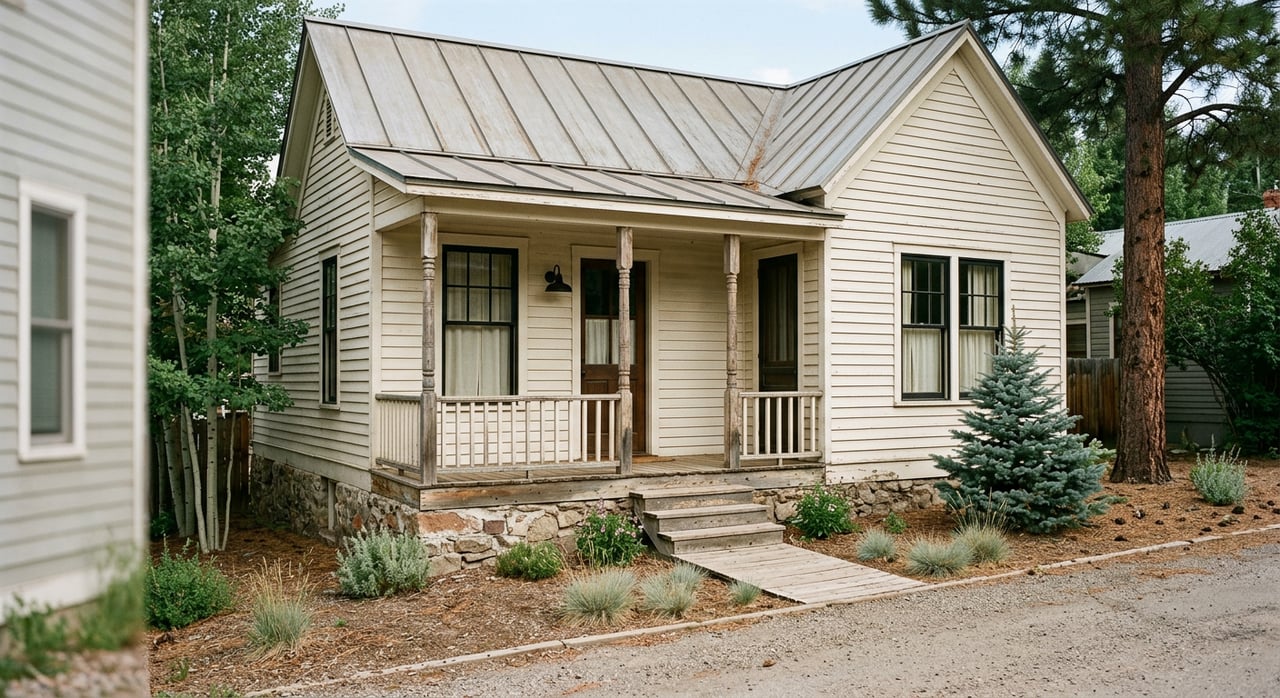
Ever fallen for a house with character, only to wonder what owning it really takes? In Cripple Creek, the charm is real, and so are the rules and repairs that protect these one-of-a-kind homes. If you are drawn to original wood windows, deep front porches, and that storied mining-town feel, this guide will help you decide with confidence. You will learn the local preservation rules, the right inspections to order, the risks to budget for, and which incentives might help. Let’s dive in.
What makes a Cripple Creek home “historic”
District status and local oversight
Cripple Creek’s historic core is recognized at the national level. The Cripple Creek Historic District is documented in the National Register and as a National Historic Landmark, which outlines the area’s period of significance and common building types from the late 1890s to early 1900s. You can review the official nomination for a sense of what features matter most, from wood-frame homes to brick storefronts on Bennett Avenue, in the National Register nomination.
Locally, the City of Cripple Creek operates a Historic Preservation Department and a Historic Preservation Commission. These are your first stops for understanding design guidelines, permits, and what requires a review. Start with the City’s Historic Preservation Department for guidance and contacts.
Typical architecture and features
You will see mining-camp vernacular cottages and small Victorian-era dwellings in neighborhoods, plus brick and false-front commercial façades along Bennett Avenue. Character-defining details often include original porches, double-hung sash windows, painted wood trim, and masonry or stone foundations. The nomination document above helps you understand why these details matter and how they tell the story of Cripple Creek’s boom years.
Rules and approvals you should know
Ordinances and when a COA applies
The City’s Historic Preservation Ordinance (Ord. No. 1991-2) sets the framework for local review. Depending on property location and zoning, exterior changes like new porches, additions, storefront modifications, roofline changes, or certain fences can require a Certificate of Appropriateness, often with a public hearing. Interior work and routine maintenance often do not. Read the City ordinance for specifics on criteria such as scale, materials, and façade rhythm in Ordinance No. 1991-2.
Before you make an offer, verify zoning and whether the property is in a designated district. Zoning and designation determine whether a COA is necessary and which design guidelines apply.
Bennett Avenue nuances and exemptions
The Bennett Avenue Historic District has its own guidelines for façades and signage. In that district, private residences with no commercial use are generally exempt. If a residence is converted in whole or part to commercial use, that exemption can no longer apply. This is why it is important to confirm both the zoning and the applicable ordinance language for your specific property. Review the Bennett Avenue guidance in the City’s Bennett Avenue guidelines.
Condition issues to watch for
Typical construction and systems
Many homes are wood frame with original wood windows and trim, plaster or wood-paneled interiors, and older masonry chimneys. Expect limited insulation in some houses. These are common traits for late 19th to early 20th century construction and are part of the area’s historic character.
Common cost drivers
Big-ticket items often include roofing, structural framing or foundation repairs, masonry repointing, window repair versus replacement, and upgrades to electrical, plumbing, and heating. Weather and time can add up in a high-elevation climate, so moisture control, attic air sealing, and compatible insulation matter. For a practical approach to energy upgrades that protect historic features, explore the National Park Service’s guidance on weatherizing historic buildings and windows.
Hazardous materials and health
If a home was built before 1978, assume there could be lead-based paint. Federal rules require sellers and agents to provide the EPA/HUD lead pamphlet and disclose known reports, and contractors must follow EPA Renovation, Repair and Painting practices during work that disturbs paint. Buyers typically have a 10-day opportunity to test for lead in many contracts. Learn the basics in the EPA’s lead-based paint disclosure rule.
Asbestos may be present in older insulation, floor tiles, roofing, or pipe wrap. Test before major demolition or system upgrades. Radon is also a known risk in Colorado and should be tested during your inspection window or immediately after closing. See the EPA’s radon zone map for context and talk to your inspector about on-site testing.
Mining-district and high-elevation factors
Abandoned mine features and land stability
The Cripple Creek and Victor mining district has a long history of underground mining. Abandoned mine openings or legacy excavation may exist on or near private parcels. As part of due diligence, contact the Colorado Division of Reclamation, Mining and Safety to ask whether any features are recorded on the property and whether any reclamation or restrictions apply. Start with the DRMS Inactive Mines FAQs.
Climate wear at altitude
High elevation means heavier snow loads, freeze and thaw cycles, and wind-driven moisture. These conditions can accelerate roof wear, cause masonry spalling, and stress chimneys and flashing. Prioritizing attic air sealing, proper drainage, and compatible insulation methods can improve comfort without damaging historic fabric. The NPS weatherization resource linked above outlines best practices.
Your due diligence checklist
Use this list to organize your offer and inspection period.
- Confirm designation and zoning. Ask the seller or your agent for any Certificates of Appropriateness, local landmark designations, or preservation easements. Then call the City’s Historic Preservation Department to confirm what rules apply.
- Pull the National Register nomination. The Cripple Creek district nomination describes character-defining features you will want to understand before planning changes.
- Review the local ordinance and district guidelines. Check Ordinance No. 1991-2 and the Bennett Avenue guidelines if applicable.
- Order a full home inspection and add specialists as needed. Consider a structural engineer for settlement or foundation concerns, a chimney sweep, roof inspection, HVAC, plumbing and electrical evaluations, septic or sewer scope if relevant, and moisture or mold assessment when indicated.
- Test for lead-based paint. If the home predates 1978, review the EPA rules and consider targeted testing. See the EPA’s lead disclosure requirements.
- Test for radon. Ask for a short-term test during your inspection period or plan for immediate post-closing testing. Reference the EPA radon map and discuss mitigation options if levels are elevated.
- Check for abandoned mine features. Contact DRMS with the parcel’s legal description to learn about any recorded hazards or completed reclamation. Review the DRMS FAQs for contact steps.
- Verify permit and work history. Ask the seller and City building staff for permits, including electrical, roof, and foundation work. For properties in review areas, request prior COA records from the Historic Preservation Department.
- Get insurance quotes early. Older materials and unique features can affect replacement-cost estimates and coverage options. Ask about endorsements that fit historic properties.
- Line up preservation-informed contractors. If window repair, masonry repointing, or historic roofing is likely, engage professionals who work regularly with historic materials and methods.
Incentives and financing for preservation
Federal tax credits for income-producing properties
If you are buying a building to use as a rental or another income-producing use, you may qualify for the federal Historic Rehabilitation Tax Credit, which is a 20 percent income-tax credit for certified rehabilitation after a three-part application and review. Owner-occupied primary residences do not qualify for the federal 20 percent credit. Learn the basics from the National Park Service’s tax credit overview.
Colorado state credits and grants
Colorado offers state historic-preservation tax credits and grant opportunities through History Colorado’s State Historical Fund. Program rules, caps, and eligibility can change, and residential projects may be eligible under certain terms. Confirm current requirements directly with History Colorado’s preservation tax credits resources before you rely on specific numbers or timelines.
Budgeting and setting expectations
Historic homes reward careful planning. Character-rich materials can take longer and cost more to repair, but sensitive work usually protects both value and authenticity.
- Minor maintenance. Examples include paint touch-ups, small porch repairs, or weatherstripping. These jobs are often straightforward but still benefit from historically informed methods.
- Selective system upgrades. Electrical panels, plumbing repairs, or furnace replacements are common. Plan these with future preservation in mind so that wiring paths or venting do not impact original finishes.
- Major rehabilitation. Full roof replacement, structural or foundation repair, extensive masonry repointing, or full mechanical system replacement can be substantial. Get multiple written estimates during your inspection period if you expect major work.
When in doubt, follow the Secretary of the Interior’s Standards approach that prioritizes repair over replacement and retains historic fabric whenever feasible. The NPS weatherization article above is a good starting point for window and door strategies that improve comfort without losing character.
Buying a historic home in Cripple Creek can be deeply rewarding when you respect the rules and plan your budget with eyes wide open. With the right team and a clear process, you can preserve what makes your home special while making it comfortable for daily life.
If you want a local, concierge-level partner to help you navigate inspections, permits, and preservation-minded upgrades, reach out to Jennifer Koslowsky Real Estate to Schedule a Consultation. Together, we will align character, comfort, and value.
FAQs
Do local rules limit changes to historic homes in Cripple Creek?
- National Register status alone does not restrict a private owner, but Cripple Creek’s local ordinance and district guidelines do govern many exterior changes. Always confirm zoning and whether a Certificate of Appropriateness is required by reviewing Ordinance No. 1991-2 and consulting the City’s Historic Preservation Department.
Can I claim tax credits for fixing my owner-occupied historic house?
- Colorado offers state preservation tax credits that may apply to residential projects, but terms can change. The federal 20 percent rehabilitation credit generally applies only to income-producing properties. Confirm current rules with History Colorado’s tax credit resources.
What inspections are most important for a historic home in Cripple Creek?
- In addition to a full home inspection, prioritize structural evaluation, roof and chimney checks, electrical and plumbing assessments, and testing for lead-based paint and radon. Review the EPA guidance on lead and radon, and consult the City Historic Preservation Department for any past Certificates of Appropriateness that may indicate completed work.