If the idea of living in the mountains while staying connected to work sounds ideal, Woodland Park probably already has your attention. But for remote work, a beautiful setting is only part of the equation. You also need reliable internet, a home that supports daily focus, and a realistic plan for winter access. This guide walks you through what to check before you buy in Woodland Park so you can choose a home that fits both your lifestyle and your workday. Let’s dive in.
Why Woodland Park Appeals to Remote Buyers
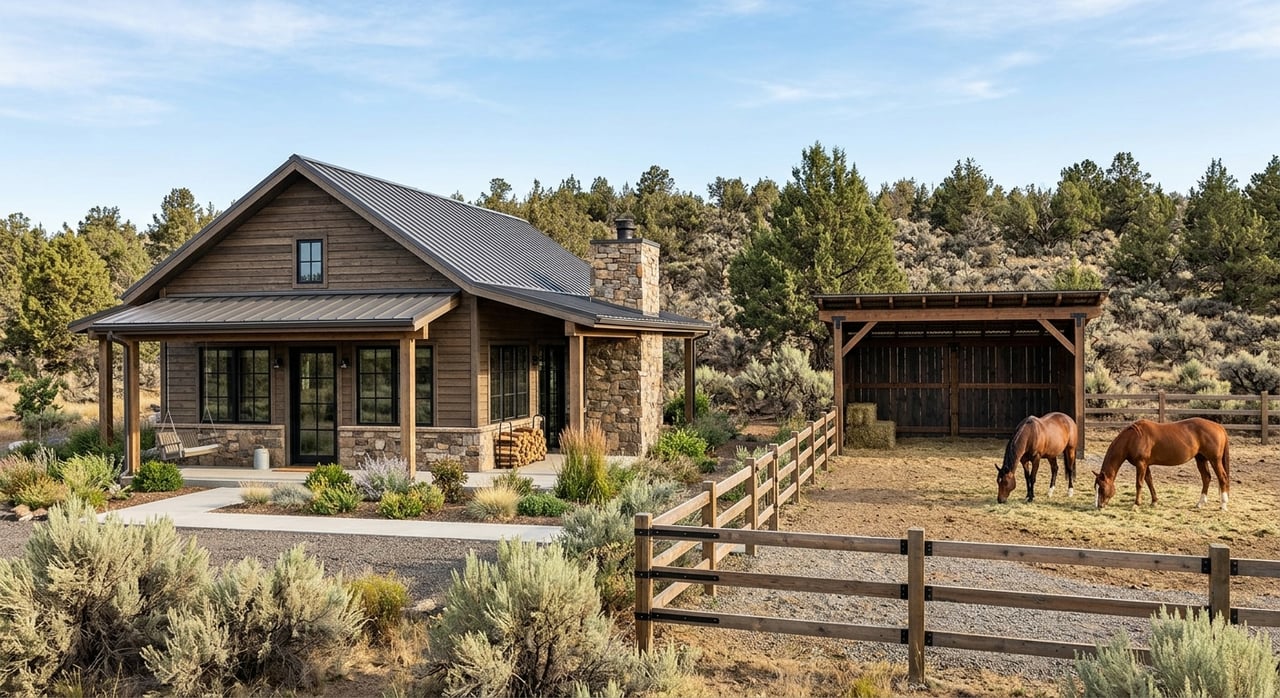
Woodland Park offers a mountain-town setting without putting you too far from Colorado Springs. According to city materials, the town sits at about 8,500 feet and is roughly 30 minutes or about 18 miles northwest of Colorado Springs. A significant share of the local working population commutes to Colorado Springs, which helps explain why Woodland Park can work well as a hybrid or remote-work base.
The lifestyle is a major part of the draw. City information highlights parks, trails, open space, and access to Pike National Forest. If you want outdoor recreation close to home while still keeping Colorado Springs within reach, Woodland Park checks an important box.
Broadband Matters Most
For remote workers, internet service is usually the first issue to verify, not the last. In Woodland Park, availability can vary by exact address, so you should avoid assuming a whole neighborhood has the same level of service. That is especially important in mountain markets, where coverage can change from one street to the next.
The FCC’s National Broadband Map is designed to show reported service at a specific home or business location. It reflects availability, not guaranteed real-world performance or price. In practical terms, that means you should check the exact property you are considering instead of relying on general area descriptions.
Fiber Exists, but Not Everywhere
Current provider information shows that fiber service is available in select parts of Woodland Park. Quantum Fiber reports limited availability in Woodland Park, with plans ranging from up to 500 Mbps to multi-gig options in select neighborhoods, along with unlimited data and no annual contract. CenturyLink’s Colorado availability pages also list Woodland Park among its service locations.
That is encouraging, but it does not mean every home has the same options. A property with strong fiber service may be a very different work-from-home choice than one that relies on another connection type. For many buyers, that single difference can shape the entire decision.
Look Beyond Download Speeds
Teller County’s broadband plan adds useful context for buyers. It notes that service inside Woodland Park appears better than service in areas outside town, which are described as much more limited. The plan also says local respondents ranked speed first, redundancy second, and price third, and that many used the internet for work-from-home and telecommuting.
If you spend your day on video calls, cloud platforms, or large file uploads, upload capacity and reliability matter just as much as top advertised speed. A strong remote-work setup is not only about fast internet on paper. It is about stable performance when you actually need it.
What to Look For Inside the Home
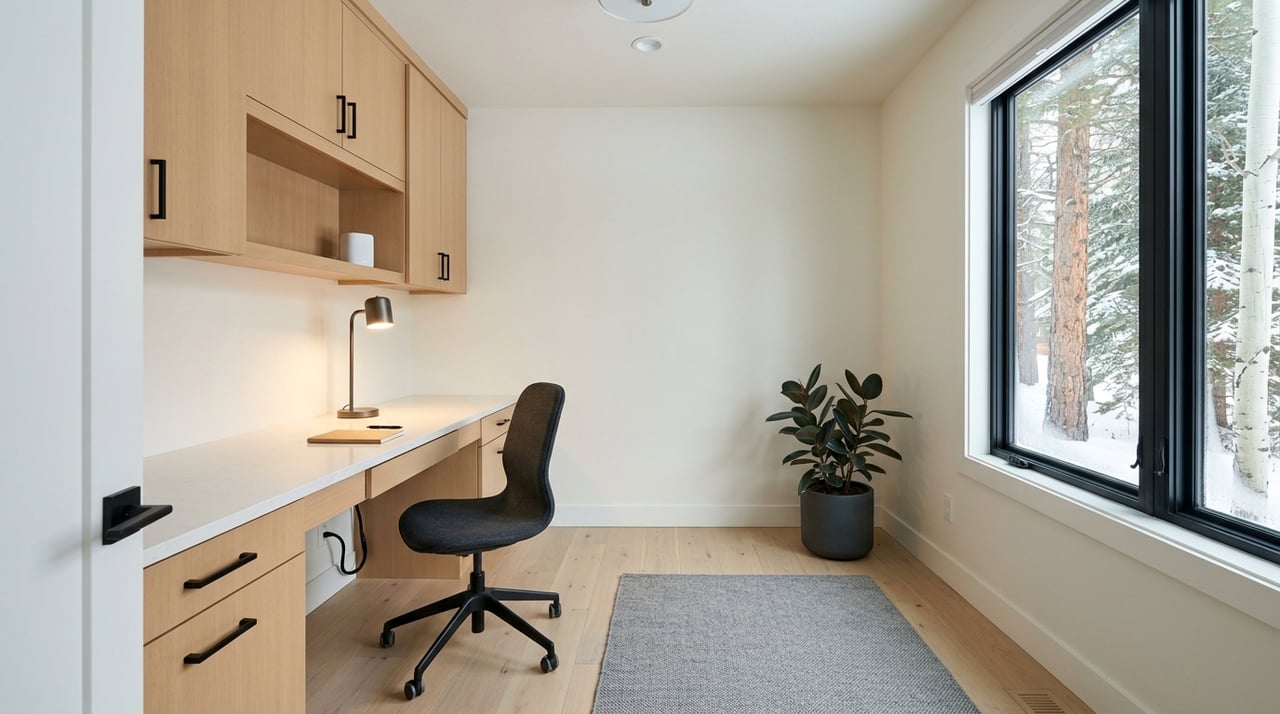
Once the internet checks out, the home itself needs to support how you work. Remote work is still common enough that buyers should plan for it intentionally. Research cited in the report shows many people work from a dedicated office, while others rely on bedrooms, living rooms, or flexible spaces.
That means a true office is helpful, but it is not the only option. A flex room, loft, or den can also work well if it gives you privacy, noise control, and room for your setup. The key is to picture your real workday inside the space, not just how the room looks during a showing.
Prioritize Function Over Square Footage
A large home is not automatically better for remote work. Sometimes a smaller home with a well-placed office or adaptable room functions better than a larger home with open spaces but no separation. If you take frequent calls, meet with clients virtually, or need concentration during the day, a door you can close matters.
You may also want to think about where the workspace sits in relation to the rest of the house. A room near high-traffic living areas may feel fine on a weekend tour, but very different on a Tuesday afternoon full of calls.
Windows, Light, and Comfort Matter
In Woodland Park’s mountain climate, comfort is part of productivity. The U.S. Department of Energy says insulation helps lower heating and cooling costs and improves comfort. For a home office, that can make a noticeable difference during long workdays, especially in a high-elevation market.
Natural light matters too. DOE guidance notes that north-facing windows tend to provide even natural light with less glare, while south-facing windows bring in more winter sun but may need shading. Energy-efficient window coverings can also help manage comfort and glare, which is useful if your screen placement and video calls are part of your daily routine.
Think About Gear Storage
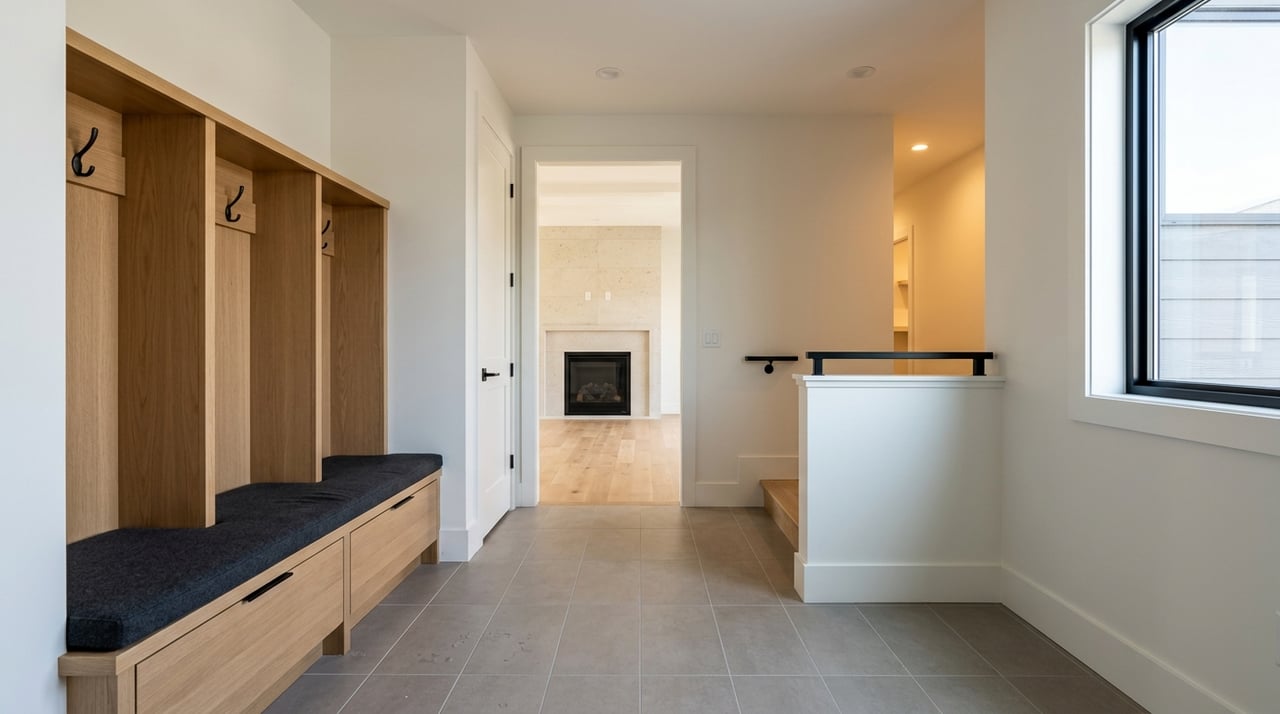
Woodland Park’s outdoor setting often means more gear comes with daily life. Snow boots, jackets, hiking equipment, and trail items need a place to go. If you work from home, a mudroom, gear closet, or practical storage area can help keep your workspace clear and your routine easier.
This may sound like a small detail, but it can shape how functional the home feels over time. In a mountain town, storage is not just about convenience. It is part of keeping your home organized and work-ready.
Don’t Overlook In-Home Network Setup
Even if service to the house is solid, your in-home setup still matters. Quantum Fiber’s Woodland Park information highlights symmetrical upload and download speeds on most plans, Wi-Fi 7 equipment in select areas, and support for home offices. For buyers, that is a reminder that the internal layout of the home can affect how well your connection performs where you actually work.
If your office is far from the main network equipment area, you may want to think through coverage, signal strength, and equipment placement. For remote workers, this is worth treating as part of your home evaluation rather than an afterthought after closing.
Winter Access Can Affect Your Workweek
In Woodland Park, internet is only one part of staying connected. Seasonal access matters too, especially if you expect to drive to Colorado Springs occasionally. Mountain weather can change quickly, and winter travel takes more planning than it does in lower-elevation markets.
Woodland Park’s Public Works FAQ says the city begins snow plowing once 4 inches of snow accumulates or as conditions require. It prioritizes emergency routes first, then bus routes and school sidewalks, primary roads and public parking, secondary roads, and finally alleys and cul-de-sacs. The city also notes that it does not clear private property.
The Exact Road Type Matters
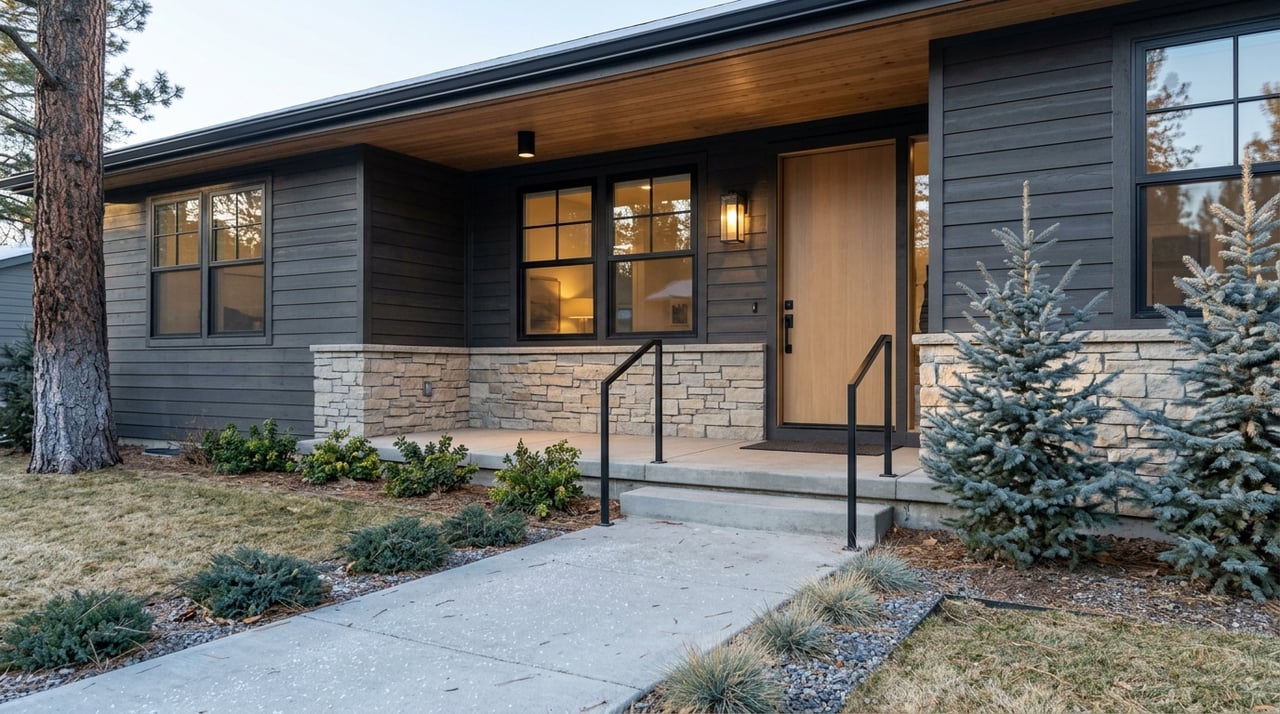
That plowing policy means not all homes have the same winter access experience. A property on a primary city street may function very differently from a home on a cul-de-sac, private drive, or another less prioritized route. The same is true for steep or shaded driveways that may hold snow and ice longer.
Before you buy, it helps to understand not just the address but the route in and out. If you need occasional access to Colorado Springs for meetings, appointments, or flights, that practical question can matter as much as square footage or views.
State Highways Have Separate Rules
Road responsibility is another issue buyers should check. The city says it is not responsible for pothole repairs on Colorado State Highway 24 or Highway 67. CDOT also notes that traction and chain laws can be activated on state highways during winter storms, with drivers alerted through highway signs and road-condition systems.
The takeaway is simple. A home near a city street, a private road, or a state highway may come with very different maintenance expectations. If winter mobility is important to you, ask detailed questions early.
Best Questions to Ask Before You Buy
When you are comparing homes in Woodland Park, the smartest questions are often the most practical ones. They help you match the property to your daily routine instead of relying on broad assumptions.
Here are a few to keep at the top of your list:
- Which internet provider serves this exact address?
- What connection types are available at this property?
- Does the home have a true office, or only a flex space?
- How does the room function for privacy, noise, and video calls?
- Is the road city-maintained, privately maintained, or connected to a state highway route?
- Who handles snow removal for the street and driveway?
- If you commute to Colorado Springs sometimes, how realistic is that route in winter?
The Bottom Line for Remote Work in Woodland Park
Woodland Park can be a great fit if you want mountain living with access to Colorado Springs and a lifestyle centered around open space and outdoor recreation. But for remote work, success usually comes down to three things lining up at the same time: address-level internet that meets your needs, a home with a workable office setup, and a winter-access plan that matches the road and driveway conditions.
If you are thinking about buying in Woodland Park, a thoughtful, property-by-property approach will help you avoid surprises. That is where local guidance can make a real difference. If you want help evaluating homes through the lens of daily livability, commute reality, and work-from-home function, connect with Jennifer Koslowsky Real Estate for personalized guidance.
FAQs
What should remote buyers verify about internet in Woodland Park?
- You should verify service at the exact property address, because broadband availability in Woodland Park can vary by location and reported availability does not guarantee actual performance.
What home features matter most for remote work in Woodland Park?
- The most useful features are a dedicated office or flexible room with privacy, good natural light, comfortable insulation, and enough storage to keep outdoor gear from taking over your workspace.
How does winter weather affect buying a home in Woodland Park?
- Winter weather can affect commute reliability, driveway access, and road conditions, so you should ask who maintains the road, how snow removal works, and how practical the route is during storms.
Is Woodland Park a good option for hybrid workers commuting to Colorado Springs?
- Woodland Park can work well for hybrid buyers because it is about 30 minutes from Colorado Springs, but the exact commute experience depends on the home’s location, road type, and winter conditions.
Why is address-specific research important when buying in Woodland Park?
- Address-specific research helps you confirm internet options, road access, and daily function at the exact property, which is especially important in a mountain market where conditions can vary from one home to another.