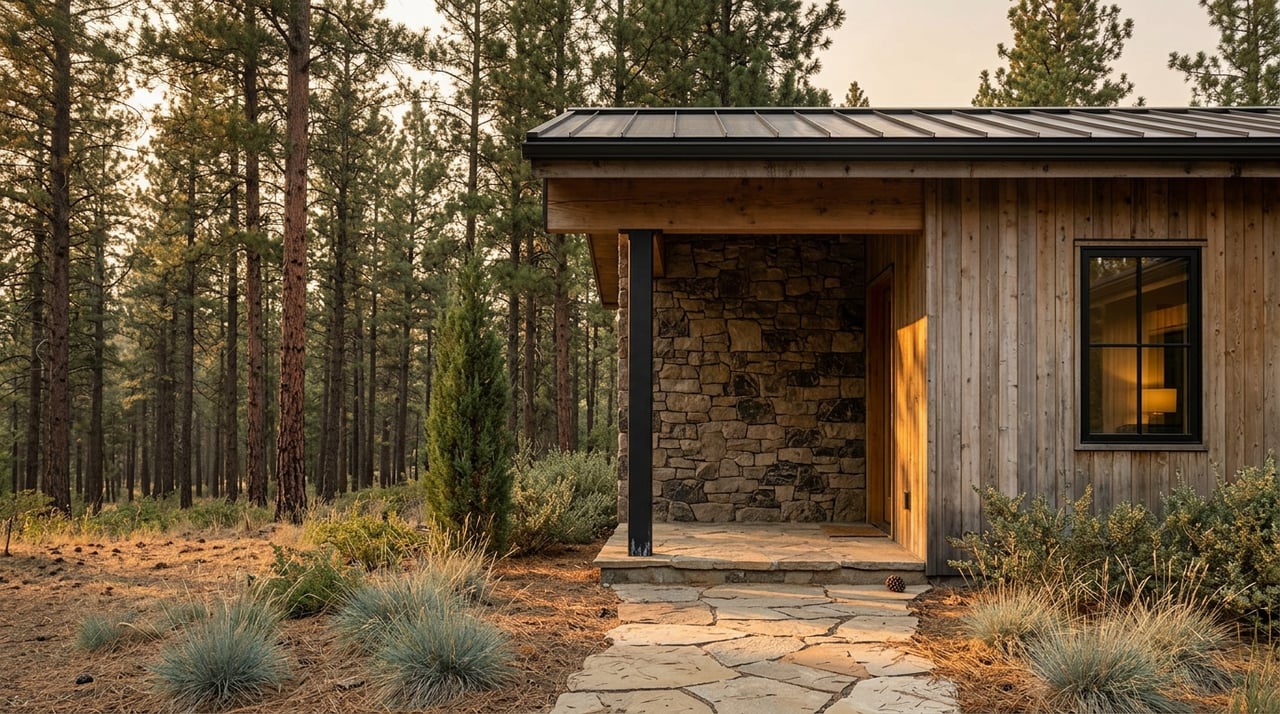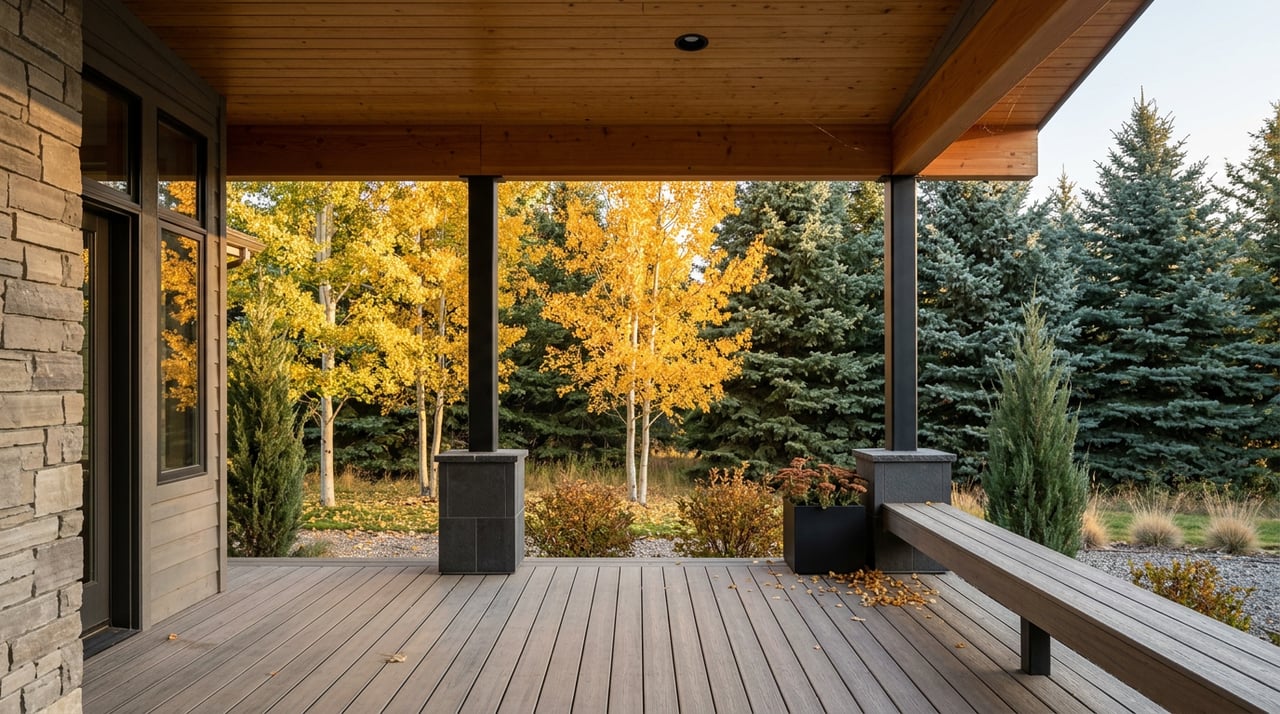
You want a yard that looks great in high sun, handles dry spells, and keeps the water bill in check. In Pueblo West, that is absolutely possible. A prairie‑smart xeriscape uses native and regionally adapted plants, efficient irrigation, and smart design to deliver color and curb appeal with far less water. Below you will find the steps, plant lists, and local rules to guide your design from idea to install. Let’s dive in.
Why prairie‑smart works here
Pueblo West sees low annual precipitation and lots of sun, with hot, dry summers and cool winters at roughly 5,000 feet. Plants and layouts that fit this climate perform better and need less maintenance. Choosing hardy, drought‑tolerant species and grouping them by water needs keeps your landscape healthy and efficient.
Know the local watering rules
Pueblo West runs a Prairie‑Smart peak season from April 15 to October 15. During this period you must water only three days per week, avoid watering between 10 a.m. and 6 p.m., and use cycle‑and‑soak to reduce runoff. Review the district’s current guidance on the Prairie‑Smart watering rules and tips to set your schedule correctly. You can also check the metro district’s page for any updates to enforcement or timing.
- See the local rules: Prairie‑Smart watering rules and tips
Start with a simple plan
Begin with a site walk. Note sun and shade, wind, slopes, drainage, soil texture, and existing trees or utilities. Sketch an easy plan that divides your yard into water zones: a small “oasis” near patios or entries, moderate‑use beds, and large low‑water prairie areas. For layout ideas and the seven xeriscape principles, explore xeriscape planning resources.
Work with local soils
Many Pueblo West soils are alkaline and low in organic matter. That can limit nutrient uptake for some plants. Improve planting pockets with compost, choose plants that tolerate higher pH, and avoid trying to “fix” soil pH across the whole yard. For a deeper look at local soil challenges and practical fixes, read Pueblo County Extension guidance.
Choose plants that thrive
Select species rated for USDA Zone 6a or colder and group them by water needs. Mix ornamental structure, seasonal color, and pollinator support.
Native and low‑water grasses
- Blue grama. Lawn alternative or matrix grass with very low water needs once established. See details from CSU on blue grama.
- Little bluestem. Upright clumps with great fall color.
- Side‑oats grama. Attractive seedheads and excellent drought tolerance.
- Buffalo grass. Low‑water turf option in low‑traffic spaces.
Explore more regional grasses through CSU Extension’s native grasses resource.
Flowering perennials for color and pollinators
- Butterfly milkweed, purple prairie clover, blanketflower, and penstemon for long bloom.
- Coneflowers and black‑eyed Susan for summer color.
- Liatris for vertical spikes and late‑season interest.
- Choose native or regionally adapted cultivars where possible. Pueblo County’s plant lists are a great starting point: Loving Our Native Plants.
Shrubs and small trees for structure
- Serviceberry, chokecherry, currants, and snowberry for flowers, fruit, and wildlife value.
- Rocky Mountain juniper for screening and wind protection in the right spot.
- Use ponderosa pine and other natives with defensible‑space planning in wildfire areas.
Irrigation that saves water
Beds and shrubs do best on drip or micro‑irrigation to deliver water to roots with minimal loss. Program your controller for cycle‑and‑soak and adjust seasonally. CSU offers practical scheduling tips in its guide to watering a home landscape during drought. To stretch every gallon and comply with local rules, upgrade to a smart controller and add a rain sensor. Pueblo West currently offers conservation rebates for qualifying devices.
Mulch and planting technique
Apply 2 to 4 inches of organic mulch in beds to reduce evaporation and suppress weeds. Keep mulch a few inches away from trunks and stems. In rock garden or hot, well‑drained spots, use appropriately sized gravel or rock mulch. Plant in wide, shallow basins that capture rain and irrigation.
Design for slopes and storms
On sloped lots, add terraces, small swales, or boulder outcrops to slow runoff. Anchor soil with deep‑rooted native grasses and perennials. Keep paths and patios permeable where possible to let water soak in.
Rain capture and rules to know
Colorado allows residential rain barrels for rooftop runoff, up to two barrels and a total of 110 gallons. Always check HOA covenants before installing and use captured water for beds or containers, not for full‑yard irrigation. Learn what is allowed and best practices from the state’s rainwater collection overview.
Be wildfire wise
Design with defensible space in mind. Keep the first zone around your home lean, clean, and green, maintain separation between plant groups, and remove ladder fuels. For detailed steps and current best practices, review the Colorado State Forest Service’s wildfire mitigation education. Local vegetation rules may evolve, so confirm the latest guidance with the metro district or county before large conversions.
Seasonal care checklist
- Spring. Check and flush drip lines, adjust your controller after the last hard frost, refresh mulch, and plant new transplants.
- Summer. Follow Pueblo West’s peak season rules, water in the morning or evening, and pull weeds early to reduce competition.
- Fall. Gradually reduce irrigation, leave grass seedheads for winter interest, and cut back warm‑season grasses in late winter.
- Winter. Water young trees and shrubs on warm days if soils are dry.
Bringing it together
A prairie‑smart xeriscape does not mean giving up beauty. With a small oasis near your patio, bold sweeps of native grasses, and pockets of long‑blooming perennials, you can create a landscape that fits Pueblo West, respects our water, and elevates curb appeal. Plan your zones, plant for the climate, and let smart irrigation do the heavy lifting.
Ready to design with resale and everyday living in mind? For neighborhood‑savvy guidance on maximizing curb appeal and value, connect with Jennifer Koslowsky Real Estate.
FAQs
What is the watering schedule in Pueblo West’s peak season?
- From April 15 to October 15, water only three days per week and avoid watering from 10 a.m. to 6 p.m. per the Prairie‑Smart rules.
Which low‑water grasses work for Pueblo West yards?
- Blue grama, little bluestem, side‑oats grama, and buffalo grass are strong options once established.
How should I set up irrigation for xeriscape beds?
- Use drip or micro‑irrigation, program cycle‑and‑soak, and consider a smart controller and rain sensor to cut waste and follow local rules.
Are rain barrels legal for homeowners in Pueblo West?
- Yes, Colorado allows up to two barrels with a combined 110 gallons for rooftop runoff, subject to any HOA restrictions.
What mulch is best in a prairie‑smart yard?
- Use 2 to 4 inches of organic mulch in most beds for moisture retention and weed control, and select rock mulch for hot, well‑drained areas where appropriate.